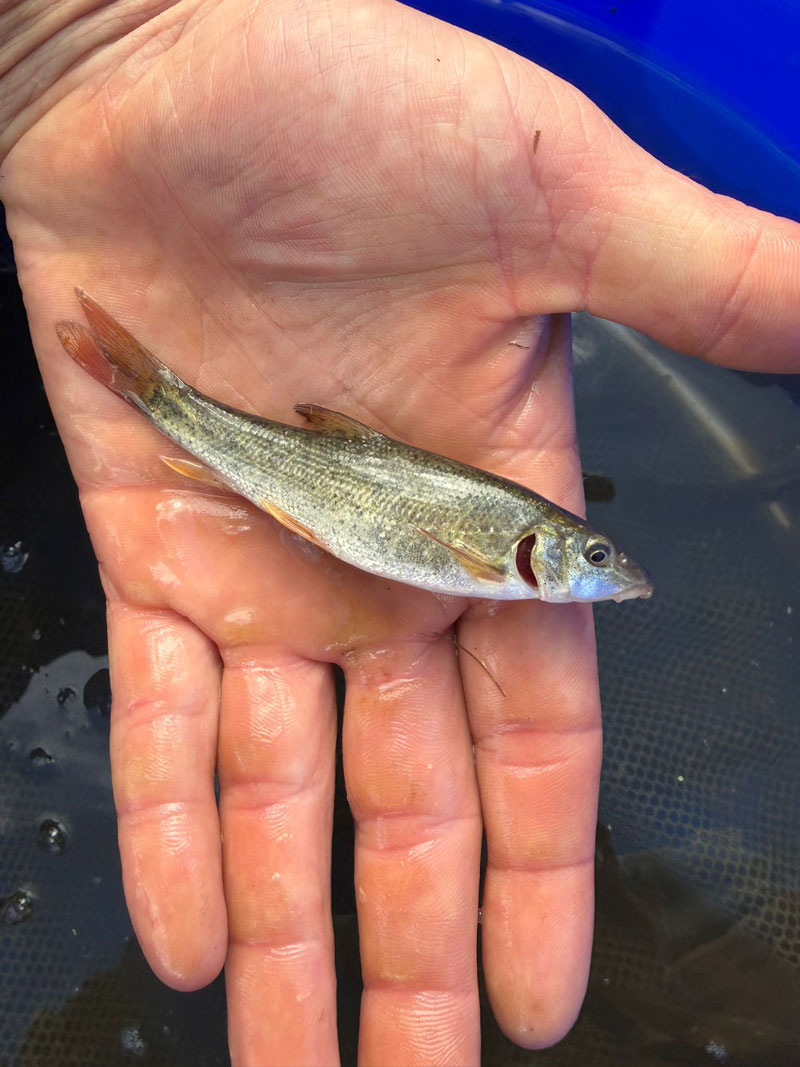
Ide

Ide

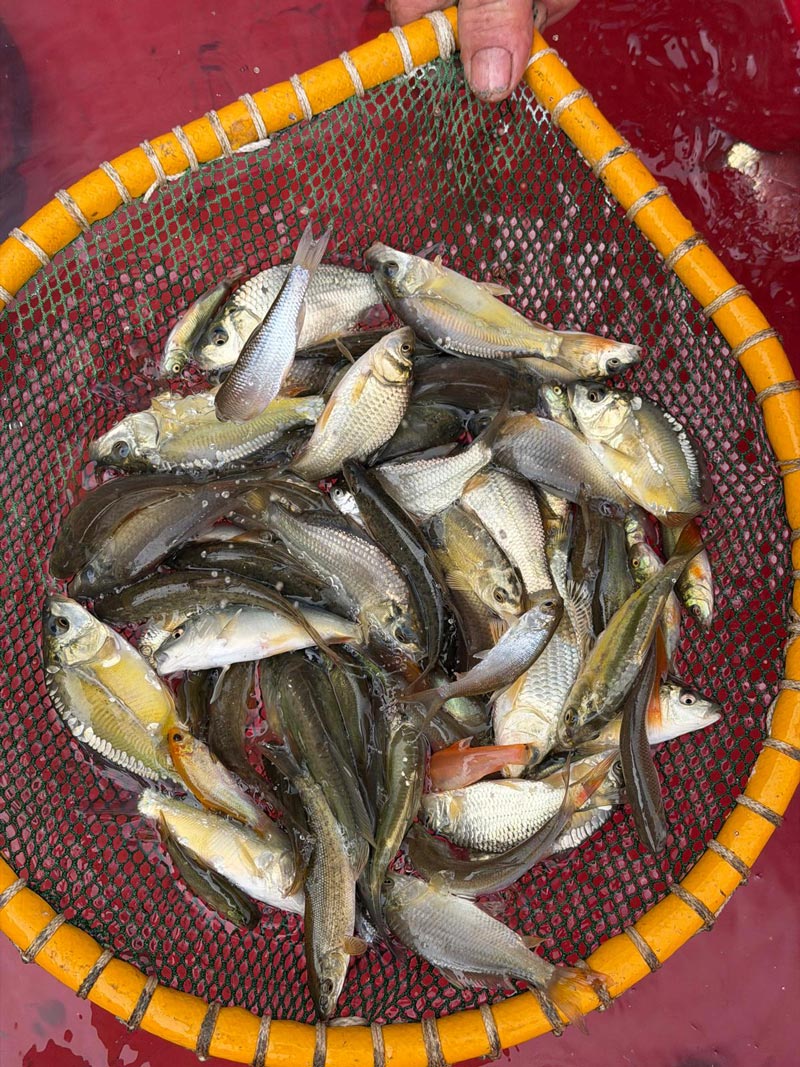
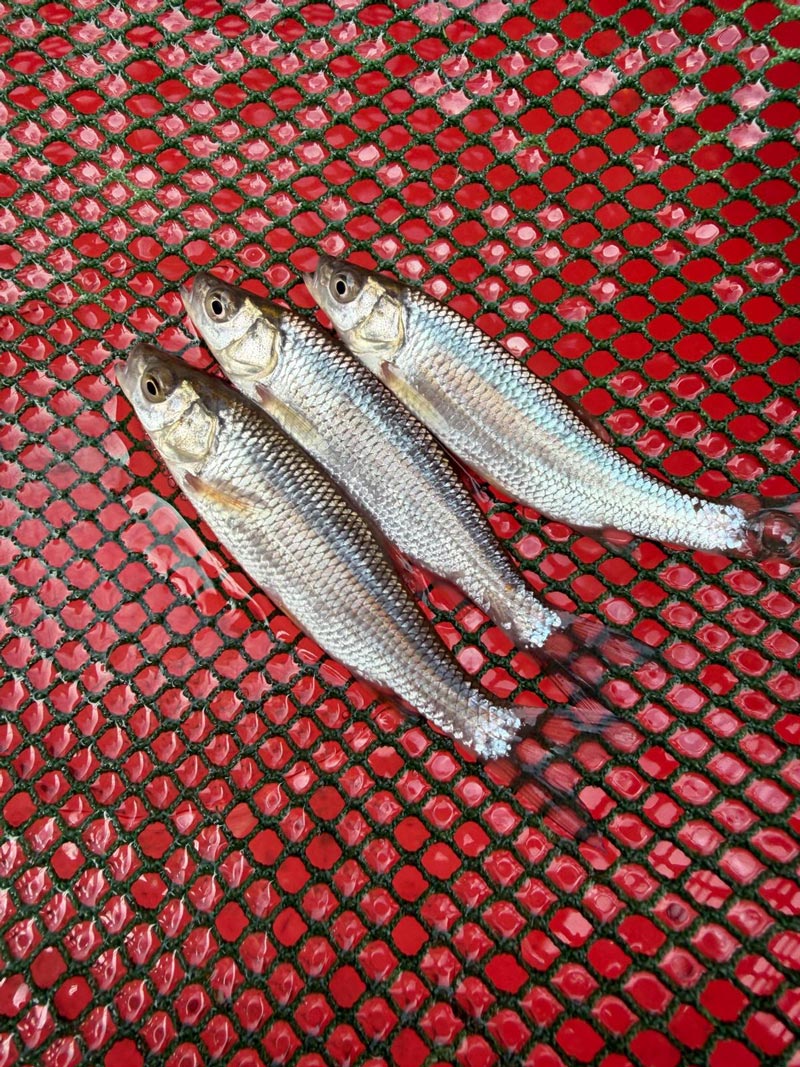
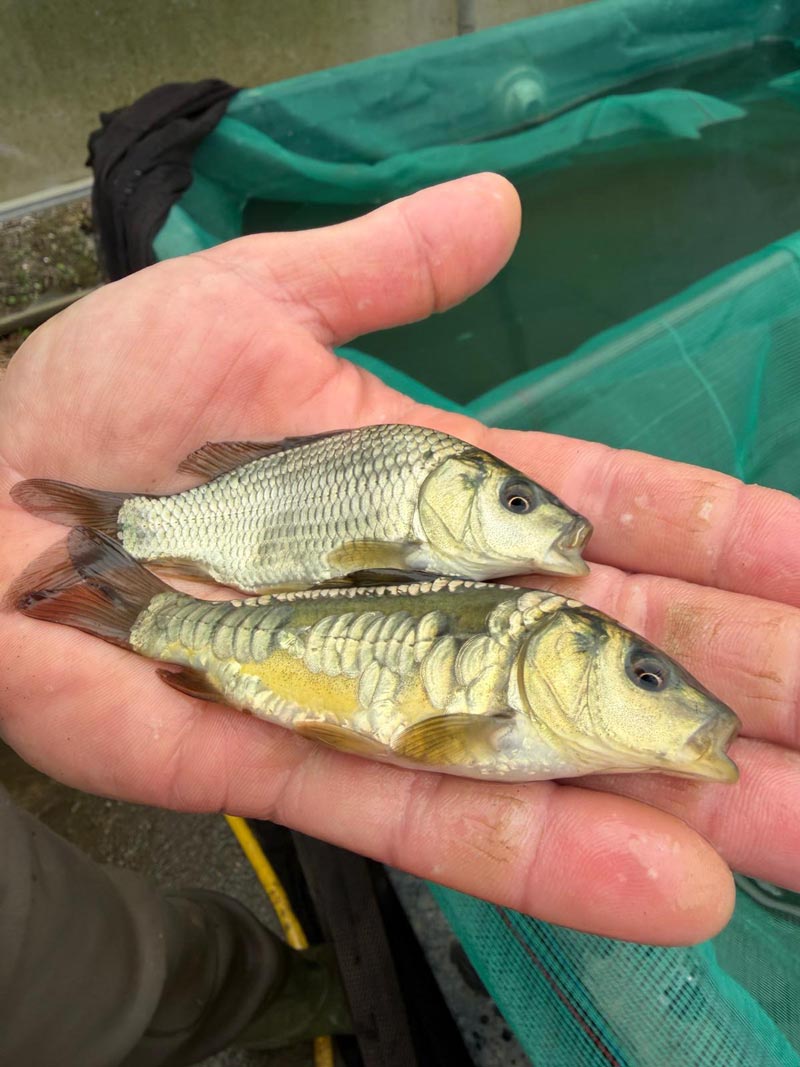
A lively, silver-scaled fish ideal for restocking ponds and fisheries. Known for its hardiness and active swimming, the Ide adapts well to a range of water conditions.

Habitat & Water Conditions


  • Tench cope with all the seasonal water temperatures but are most active in the summer months.
  • They are fairly resistant to low oxygen.
  • They suit all water conditions but are not suited to fast flowing rivers.

Stocking Recommendations


  • Tench do not cope as well as some fish with highly stocked match fisheries
  • They are best suited where competition is more relaxed

Diet & Feeding


  • Natural diet (insects, algae, pellets, etc.)

Care & Health Tips


  • Tench are generally resistant to disease and are regarded as hardy
    Tench can live over 50 years in certain conditions

Environmental Impact


  • Tench are native to the UK and can be stocked into all waters with the necessary EA
    permits.

Habitat & Water Conditions


  • Thrive in all UK temperature variations.
  • Best suited to ponds or lakes.
  • 1-3 meters of depth is perfect for Ide.

Stocking Recommendations


  • A biomass of 2 tons is common in fisheries in an acre of water, anything less is better.

Diet & Feeding


  • Ide eat all aquatic invertebrates and some plants but grow faster with supplementary food.

Behaviour & Compatibility


  • Ide are a shoaling fish and integrate with other species very well.
  • They reproduce in most conditions.
  • Ide seem resistant to diseases but are not as tolerant to low oxygen as some species.
  • Life span about 20 years.

Environmental Impact


  • Ide are non-native originating from Europe.
  • They are now widespread in the UK and are very popular.
  • Stocking of these fish is only permitted in enclosed waters and is subject to EA permitting as all fish are.

Habitat & Water Conditions


  • Carp are the land rover of coarse fish and fit into most conditions, they like warm water and lots of food.
  • They are fast growing 1-3 m of depth and the bigger the lake the more they like it.

Stocking Recommendations


  • Carp can be stocked heavily and some fisheries have more than 5 tons to the acre with aerators.
  • 2 tons to the acre is considered to be about right and anything less is better.

Diet & Feeding


  • Carp eat most things found in their environment and love pelleted food which make them grow rapidly.
  • They are quite happy to fend for themselves.

Behaviour & Compatibility


  • Carp soon become the dominant species as they are strong and grow fast
  • They are the principal target species for anglers

Care & Health Tips


  • Carp are susceptible to several diseases but generally are happy and healthy.

Environmental Impact


  • Carp are non-native but introduced so long ago that they are effectively native to all of the UK.
  • Carp do not suit fast flowing rivers, and the EA restrict their stocking into rivers, but allow them to be stocked in most other waters subject to permits.

Habitat & Water Conditions


  • Carp are the land rover of coarse fish and fit into most conditions, they like warm water and lots of food.
  • They are fast growing 1-3 m of depth and the bigger the lake the more they like it.

Stocking Recommendations


  • Carp can be stocked heavily and some fisheries have more than 5 tons to the acre with aerators.
  • 2 tons to the acre is considered to be about right and anything less is better.

Diet & Feeding


  • Carp eat most things found in their environment and love pelleted food which make them grow rapidly.
  • They are quite happy to fend for themselves.

Behaviour & Compatibility


  • Carp soon become the dominant species as they are strong and grow fast
  • They are the principal target species for anglers

Care & Health Tips


  • Carp are susceptible to several diseases but generally are happy and healthy.

Environmental Impact


  • Carp are non-native but introduced so long ago that they are effectively native to all of the UK.
  • Carp do not suit fast flowing rivers, and the EA restrict their stocking into rivers, but allow them to be stocked in most other waters subject to permits.

Habitat & Water Conditions


  • Carp are the land rover of coarse fish and fit into most conditions, they like warm water and lots of food.
  • They are fast growing 1-3 m of depth and the bigger the lake the more they like it.

Stocking Recommendations


  • Carp can be stocked heavily and some fisheries have more than 5 tons to the acre with aerators.
  • 2 tons to the acre is considered to be about right and anything less is better.

Diet & Feeding


  • Carp eat most things found in their environment and love pelleted food which make them grow rapidly.
  • They are quite happy to fend for themselves.

Behaviour & Compatibility


  • Carp soon become the dominant species as they are strong and grow fast
  • They are the principal target species for anglers

Care & Health Tips


  • Carp are susceptible to several diseases but generally are happy and healthy.

Environmental Impact


  • Carp are non-native but introduced so long ago that they are effectively native to all of the UK.
  • Carp do not suit fast flowing rivers, and the EA restrict their stocking into rivers, but allow them to be stocked in most other waters subject to permits.

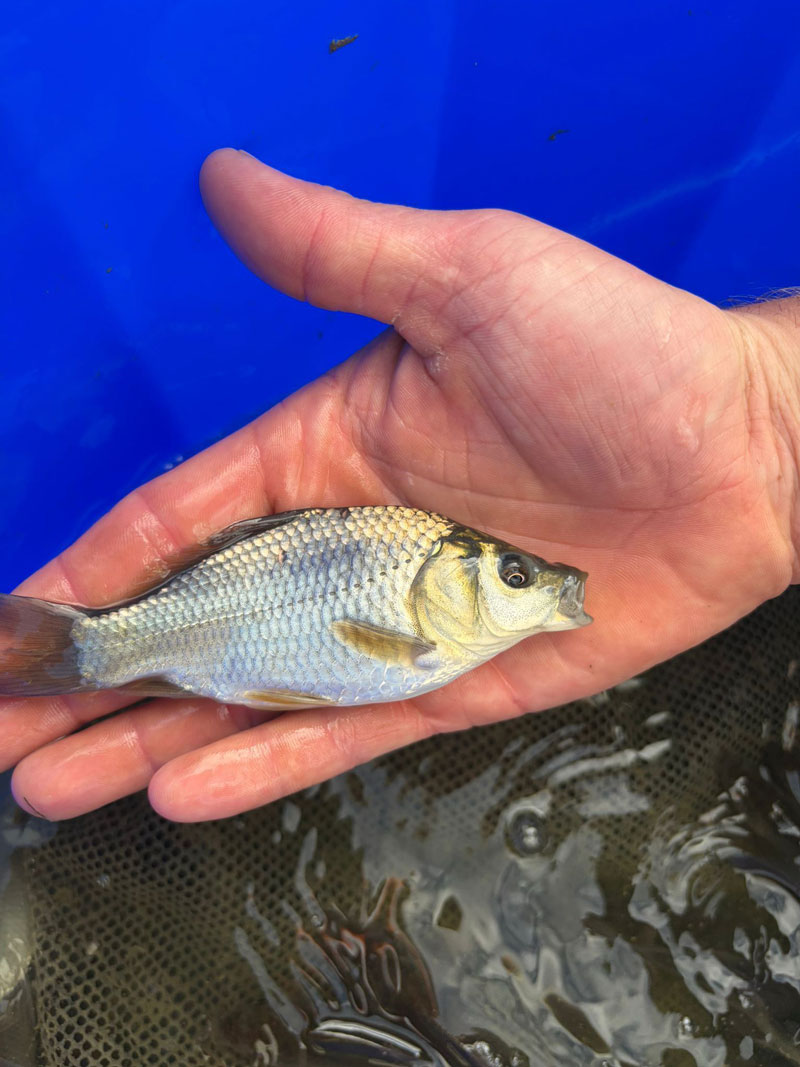
Mirror Carp

Mirror Carp

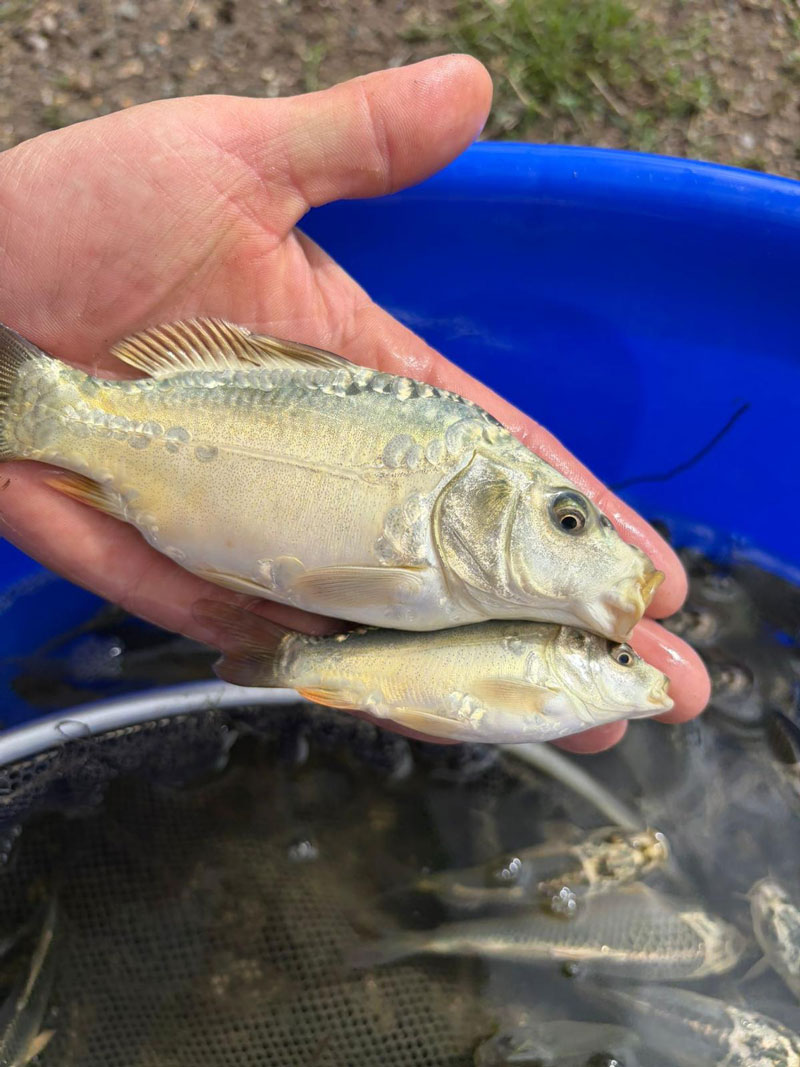
Highly adaptable and fast-growing, Mirror carp are perfect for angling lakes and ornamental ponds alike. With its golden-bronze scales and robust health, this species adds life and colour to any water body.

Habitat & Water Conditions


  • Tench cope with all the seasonal water temperatures but are most active in the summer months.
  • They are fairly resistant to low oxygen.
  • They suit all water conditions but are not suited to fast flowing rivers.

Stocking Recommendations


  • Tench do not cope as well as some fish with highly stocked match fisheries
  • They are best suited where competition is more relaxed

Diet & Feeding


  • Natural diet (insects, algae, pellets, etc.)

Care & Health Tips


  • Tench are generally resistant to disease and are regarded as hardy
    Tench can live over 50 years in certain conditions

Environmental Impact


  • Tench are native to the UK and can be stocked into all waters with the necessary EA
    permits.

Habitat & Water Conditions


  • Thrive in all UK temperature variations.
  • Best suited to ponds or lakes.
  • 1-3 meters of depth is perfect for Ide.

Stocking Recommendations


  • A biomass of 2 tons is common in fisheries in an acre of water, anything less is better.

Diet & Feeding


  • Ide eat all aquatic invertebrates and some plants but grow faster with supplementary food.

Behaviour & Compatibility


  • Ide are a shoaling fish and integrate with other species very well.
  • They reproduce in most conditions.
  • Ide seem resistant to diseases but are not as tolerant to low oxygen as some species.
  • Life span about 20 years.

Environmental Impact


  • Ide are non-native originating from Europe.
  • They are now widespread in the UK and are very popular.
  • Stocking of these fish is only permitted in enclosed waters and is subject to EA permitting as all fish are.

Habitat & Water Conditions


  • Carp are the land rover of coarse fish and fit into most conditions, they like warm water and lots of food.
  • They are fast growing 1-3 m of depth and the bigger the lake the more they like it.

Stocking Recommendations


  • Carp can be stocked heavily and some fisheries have more than 5 tons to the acre with aerators.
  • 2 tons to the acre is considered to be about right and anything less is better.

Diet & Feeding


  • Carp eat most things found in their environment and love pelleted food which make them grow rapidly.
  • They are quite happy to fend for themselves.

Behaviour & Compatibility


  • Carp soon become the dominant species as they are strong and grow fast
  • They are the principal target species for anglers

Care & Health Tips


  • Carp are susceptible to several diseases but generally are happy and healthy.

Environmental Impact


  • Carp are non-native but introduced so long ago that they are effectively native to all of the UK.
  • Carp do not suit fast flowing rivers, and the EA restrict their stocking into rivers, but allow them to be stocked in most other waters subject to permits.

Habitat & Water Conditions


  • Carp are the land rover of coarse fish and fit into most conditions, they like warm water and lots of food.
  • They are fast growing 1-3 m of depth and the bigger the lake the more they like it.

Stocking Recommendations


  • Carp can be stocked heavily and some fisheries have more than 5 tons to the acre with aerators.
  • 2 tons to the acre is considered to be about right and anything less is better.

Diet & Feeding


  • Carp eat most things found in their environment and love pelleted food which make them grow rapidly.
  • They are quite happy to fend for themselves.

Behaviour & Compatibility


  • Carp soon become the dominant species as they are strong and grow fast
  • They are the principal target species for anglers

Care & Health Tips


  • Carp are susceptible to several diseases but generally are happy and healthy.

Environmental Impact


  • Carp are non-native but introduced so long ago that they are effectively native to all of the UK.
  • Carp do not suit fast flowing rivers, and the EA restrict their stocking into rivers, but allow them to be stocked in most other waters subject to permits.

Habitat & Water Conditions


  • Carp are the land rover of coarse fish and fit into most conditions, they like warm water and lots of food.
  • They are fast growing 1-3 m of depth and the bigger the lake the more they like it.

Stocking Recommendations


  • Carp can be stocked heavily and some fisheries have more than 5 tons to the acre with aerators.
  • 2 tons to the acre is considered to be about right and anything less is better.

Diet & Feeding


  • Carp eat most things found in their environment and love pelleted food which make them grow rapidly.
  • They are quite happy to fend for themselves.

Behaviour & Compatibility


  • Carp soon become the dominant species as they are strong and grow fast
  • They are the principal target species for anglers

Care & Health Tips


  • Carp are susceptible to several diseases but generally are happy and healthy.

Environmental Impact


  • Carp are non-native but introduced so long ago that they are effectively native to all of the UK.
  • Carp do not suit fast flowing rivers, and the EA restrict their stocking into rivers, but allow them to be stocked in most other waters subject to permits.

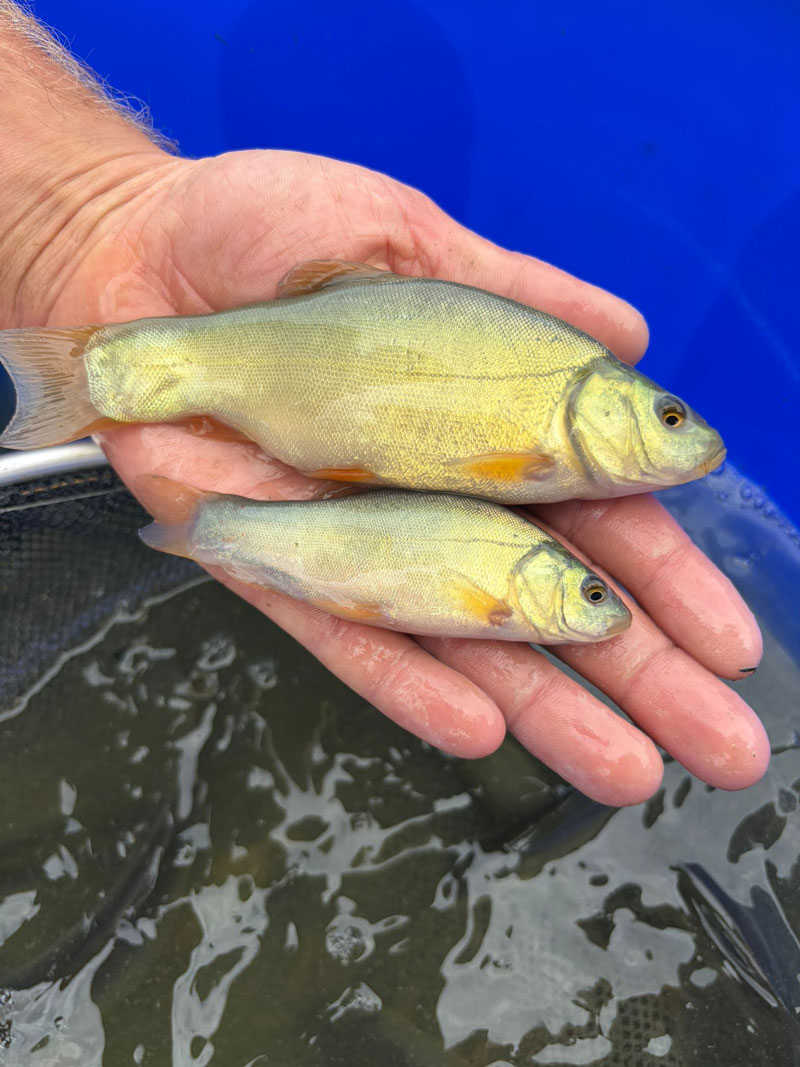
Tench

Tench

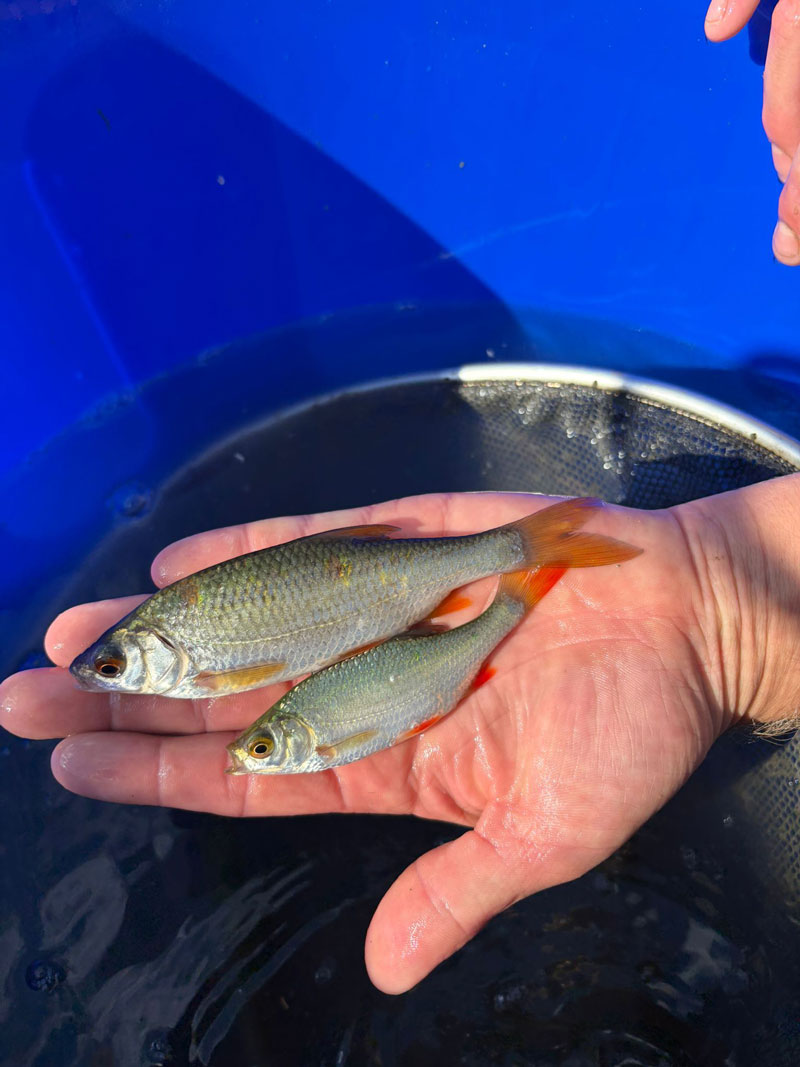
Green and golden tench, born 2025: The tench is a classic pond favourite, recognised by its olive-green sheen and calm temperament. A resilient bottom-dweller that thrives in natural ponds and lakes, it helps maintain a balanced ecosystem.

Habitat & Water Conditions


  • Tench cope with all the seasonal water temperatures but are most active in the summer months.
  • They are fairly resistant to low oxygen.
  • They suit all water conditions but are not suited to fast flowing rivers.

Stocking Recommendations


  • Tench do not cope as well as some fish with highly stocked match fisheries
  • They are best suited where competition is more relaxed

Diet & Feeding


  • Natural diet (insects, algae, pellets, etc.)

Care & Health Tips


  • Tench are generally resistant to disease and are regarded as hardy
    Tench can live over 50 years in certain conditions

Environmental Impact


  • Tench are native to the UK and can be stocked into all waters with the necessary EA
    permits.

Habitat & Water Conditions


  • Thrive in all UK temperature variations.
  • Best suited to ponds or lakes.
  • 1-3 meters of depth is perfect for Ide.

Stocking Recommendations


  • A biomass of 2 tons is common in fisheries in an acre of water, anything less is better.

Diet & Feeding


  • Ide eat all aquatic invertebrates and some plants but grow faster with supplementary food.

Behaviour & Compatibility


  • Ide are a shoaling fish and integrate with other species very well.
  • They reproduce in most conditions.
  • Ide seem resistant to diseases but are not as tolerant to low oxygen as some species.
  • Life span about 20 years.

Environmental Impact


  • Ide are non-native originating from Europe.
  • They are now widespread in the UK and are very popular.
  • Stocking of these fish is only permitted in enclosed waters and is subject to EA permitting as all fish are.

Habitat & Water Conditions


  • Carp are the land rover of coarse fish and fit into most conditions, they like warm water and lots of food.
  • They are fast growing 1-3 m of depth and the bigger the lake the more they like it.

Stocking Recommendations


  • Carp can be stocked heavily and some fisheries have more than 5 tons to the acre with aerators.
  • 2 tons to the acre is considered to be about right and anything less is better.

Diet & Feeding


  • Carp eat most things found in their environment and love pelleted food which make them grow rapidly.
  • They are quite happy to fend for themselves.

Behaviour & Compatibility


  • Carp soon become the dominant species as they are strong and grow fast
  • They are the principal target species for anglers

Care & Health Tips


  • Carp are susceptible to several diseases but generally are happy and healthy.

Environmental Impact


  • Carp are non-native but introduced so long ago that they are effectively native to all of the UK.
  • Carp do not suit fast flowing rivers, and the EA restrict their stocking into rivers, but allow them to be stocked in most other waters subject to permits.

Habitat & Water Conditions


  • Carp are the land rover of coarse fish and fit into most conditions, they like warm water and lots of food.
  • They are fast growing 1-3 m of depth and the bigger the lake the more they like it.

Stocking Recommendations


  • Carp can be stocked heavily and some fisheries have more than 5 tons to the acre with aerators.
  • 2 tons to the acre is considered to be about right and anything less is better.

Diet & Feeding


  • Carp eat most things found in their environment and love pelleted food which make them grow rapidly.
  • They are quite happy to fend for themselves.

Behaviour & Compatibility


  • Carp soon become the dominant species as they are strong and grow fast
  • They are the principal target species for anglers

Care & Health Tips


  • Carp are susceptible to several diseases but generally are happy and healthy.

Environmental Impact


  • Carp are non-native but introduced so long ago that they are effectively native to all of the UK.
  • Carp do not suit fast flowing rivers, and the EA restrict their stocking into rivers, but allow them to be stocked in most other waters subject to permits.

Habitat & Water Conditions


  • Carp are the land rover of coarse fish and fit into most conditions, they like warm water and lots of food.
  • They are fast growing 1-3 m of depth and the bigger the lake the more they like it.

Stocking Recommendations


  • Carp can be stocked heavily and some fisheries have more than 5 tons to the acre with aerators.
  • 2 tons to the acre is considered to be about right and anything less is better.

Diet & Feeding


  • Carp eat most things found in their environment and love pelleted food which make them grow rapidly.
  • They are quite happy to fend for themselves.

Behaviour & Compatibility


  • Carp soon become the dominant species as they are strong and grow fast
  • They are the principal target species for anglers

Care & Health Tips


  • Carp are susceptible to several diseases but generally are happy and healthy.

Environmental Impact


  • Carp are non-native but introduced so long ago that they are effectively native to all of the UK.
  • Carp do not suit fast flowing rivers, and the EA restrict their stocking into rivers, but allow them to be stocked in most other waters subject to permits.

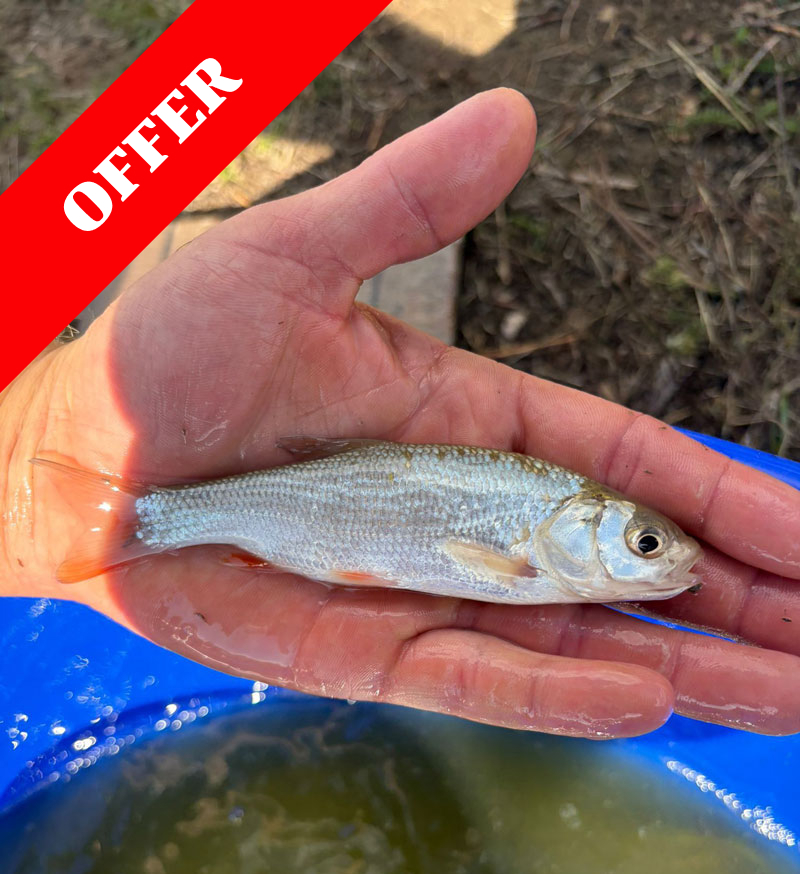
Common Carp

Common Carp

Highly adaptable and fast-growing, common carp are perfect for angling lakes and ornamental ponds alike. With its golden-bronze scales and robust health, this species adds life and colour to any water body.

Habitat & Water Conditions


  • Tench cope with all the seasonal water temperatures but are most active in the summer months.
  • They are fairly resistant to low oxygen.
  • They suit all water conditions but are not suited to fast flowing rivers.

Stocking Recommendations


  • Tench do not cope as well as some fish with highly stocked match fisheries
  • They are best suited where competition is more relaxed

Diet & Feeding


  • Natural diet (insects, algae, pellets, etc.)

Care & Health Tips


  • Tench are generally resistant to disease and are regarded as hardy
    Tench can live over 50 years in certain conditions

Environmental Impact


  • Tench are native to the UK and can be stocked into all waters with the necessary EA
    permits.

Habitat & Water Conditions


  • Thrive in all UK temperature variations.
  • Best suited to ponds or lakes.
  • 1-3 meters of depth is perfect for Ide.

Stocking Recommendations


  • A biomass of 2 tons is common in fisheries in an acre of water, anything less is better.

Diet & Feeding


  • Ide eat all aquatic invertebrates and some plants but grow faster with supplementary food.

Behaviour & Compatibility


  • Ide are a shoaling fish and integrate with other species very well.
  • They reproduce in most conditions.
  • Ide seem resistant to diseases but are not as tolerant to low oxygen as some species.
  • Life span about 20 years.

Environmental Impact


  • Ide are non-native originating from Europe.
  • They are now widespread in the UK and are very popular.
  • Stocking of these fish is only permitted in enclosed waters and is subject to EA permitting as all fish are.

Habitat & Water Conditions


  • Carp are the land rover of coarse fish and fit into most conditions, they like warm water and lots of food.
  • They are fast growing 1-3 m of depth and the bigger the lake the more they like it.

Stocking Recommendations


  • Carp can be stocked heavily and some fisheries have more than 5 tons to the acre with aerators.
  • 2 tons to the acre is considered to be about right and anything less is better.

Diet & Feeding


  • Carp eat most things found in their environment and love pelleted food which make them grow rapidly.
  • They are quite happy to fend for themselves.

Behaviour & Compatibility


  • Carp soon become the dominant species as they are strong and grow fast
  • They are the principal target species for anglers

Care & Health Tips


  • Carp are susceptible to several diseases but generally are happy and healthy.

Environmental Impact


  • Carp are non-native but introduced so long ago that they are effectively native to all of the UK.
  • Carp do not suit fast flowing rivers, and the EA restrict their stocking into rivers, but allow them to be stocked in most other waters subject to permits.

Habitat & Water Conditions


  • Carp are the land rover of coarse fish and fit into most conditions, they like warm water and lots of food.
  • They are fast growing 1-3 m of depth and the bigger the lake the more they like it.

Stocking Recommendations


  • Carp can be stocked heavily and some fisheries have more than 5 tons to the acre with aerators.
  • 2 tons to the acre is considered to be about right and anything less is better.

Diet & Feeding


  • Carp eat most things found in their environment and love pelleted food which make them grow rapidly.
  • They are quite happy to fend for themselves.

Behaviour & Compatibility


  • Carp soon become the dominant species as they are strong and grow fast
  • They are the principal target species for anglers

Care & Health Tips


  • Carp are susceptible to several diseases but generally are happy and healthy.

Environmental Impact


  • Carp are non-native but introduced so long ago that they are effectively native to all of the UK.
  • Carp do not suit fast flowing rivers, and the EA restrict their stocking into rivers, but allow them to be stocked in most other waters subject to permits.

Habitat & Water Conditions


  • Carp are the land rover of coarse fish and fit into most conditions, they like warm water and lots of food.
  • They are fast growing 1-3 m of depth and the bigger the lake the more they like it.

Stocking Recommendations


  • Carp can be stocked heavily and some fisheries have more than 5 tons to the acre with aerators.
  • 2 tons to the acre is considered to be about right and anything less is better.

Diet & Feeding


  • Carp eat most things found in their environment and love pelleted food which make them grow rapidly.
  • They are quite happy to fend for themselves.

Behaviour & Compatibility


  • Carp soon become the dominant species as they are strong and grow fast
  • They are the principal target species for anglers

Care & Health Tips


  • Carp are susceptible to several diseases but generally are happy and healthy.

Environmental Impact


  • Carp are non-native but introduced so long ago that they are effectively native to all of the UK.
  • Carp do not suit fast flowing rivers, and the EA restrict their stocking into rivers, but allow them to be stocked in most other waters subject to permits.

Shop all our boxes

Shop now
Riverfield Farm,
Staplehurst Road
Marden
Kent
TN12 9BU
07715 660670
© 2026 Coarse Fish Direct
Website by Wiggle Creative